When Chatbots Accommodate: Auditing the Response Policies of AI Companions in Vulnerable Conversations
Minh Duc Chu, Yifan Wu, Zhiyi Chen, Angel Hsing-Chi Hwang, Luca Luceri
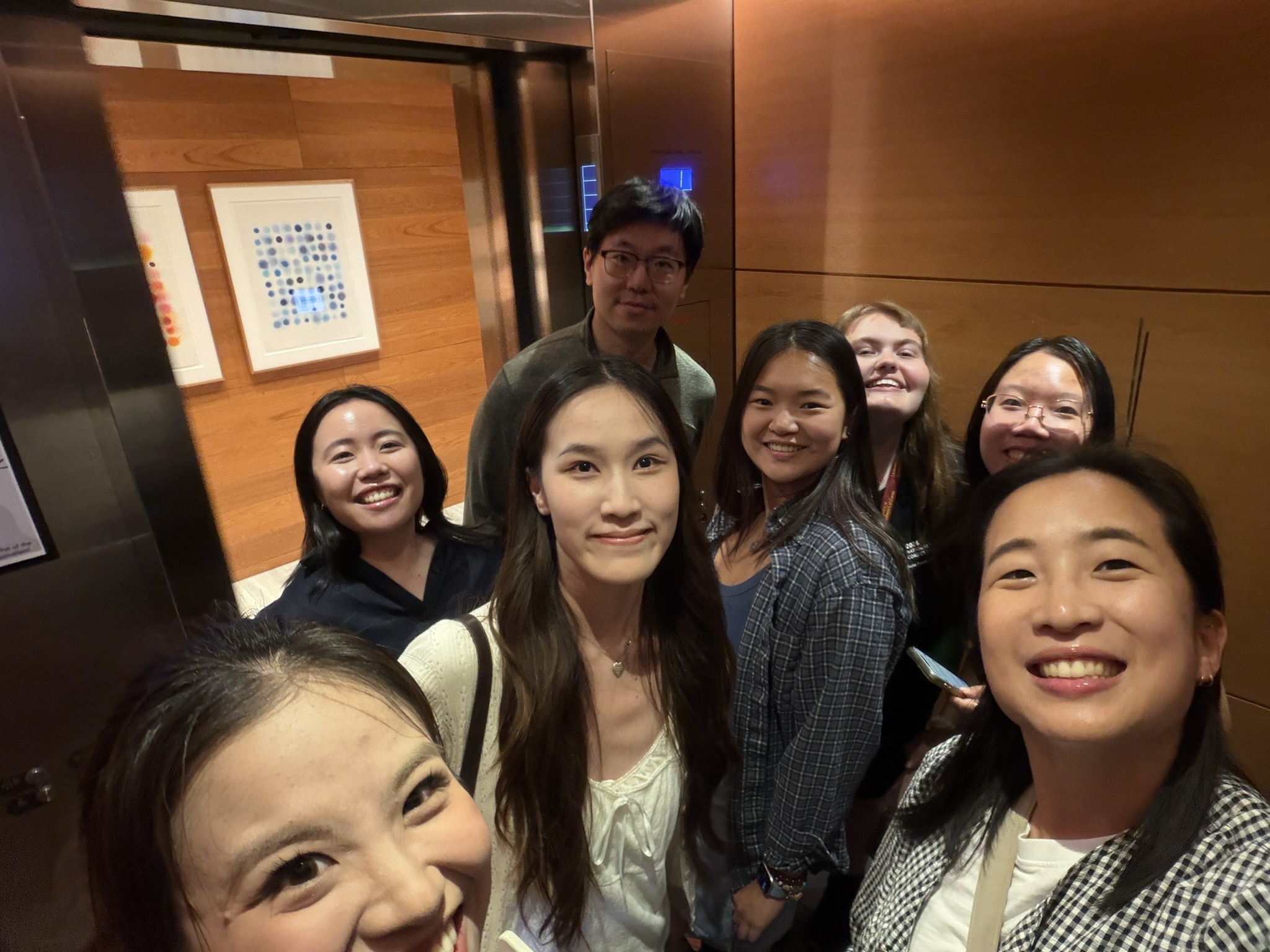
Hey there! 👋 Welcome to the Human-AI Ecosystem (HAE!) Lab.
We are a group of researchers, designers, and developers curious about how AI is reshaping our social interactions and relationships. We study questions such as: How do people seek and adopt help from AI to navigate social scenarios? How do people perceive and respond socially to AI agents? And how does AI mediate the dynamics of human teams, groups, and broader social ecosystems?
We approach these questions through three complementary lenses: understanding human behavior, experimenting with alternative AI designs, and rethinking the policies and sociotechnical infrastructures that shape how human-AI interactions unfold.
Ultimately, we envision a future where AI reshapes, yet integrates seamlessly into, our human ecosystems... hopefully making them better ones.
For other lab-related inquiries, please reach out to Angel Hwang via email angel.hwang [at] usc [dot] edu
By keywords, here are some of the subjects that best capture the lab's interests:
# human-AI collaboration
# human-agent teamwork
# societal impact of AI + scalable methods for HAII research
# digital mental health
# future of work
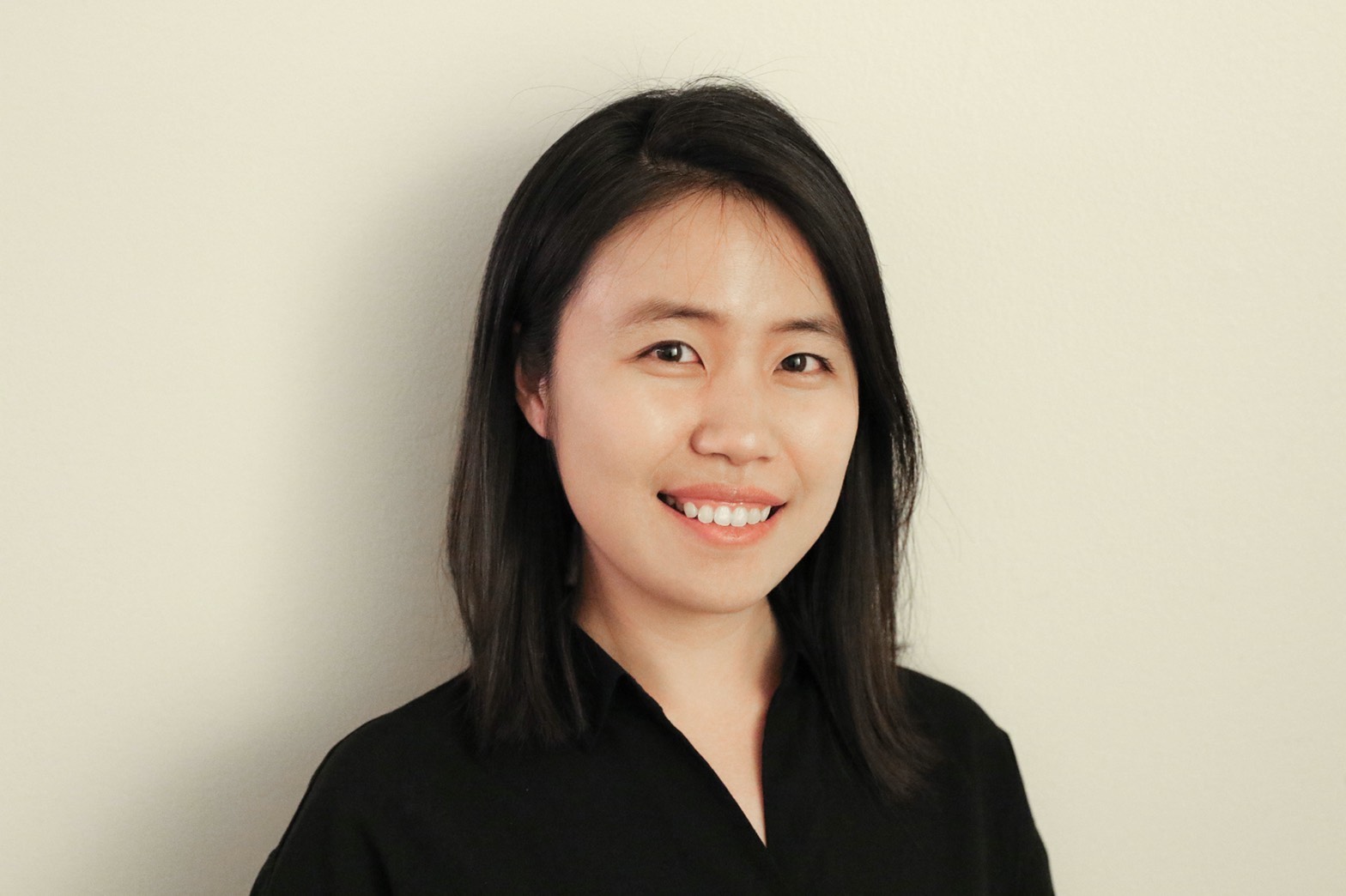
Principal Investigator (PI) and Director of the HAE! Lab
Assistant Professor at USC
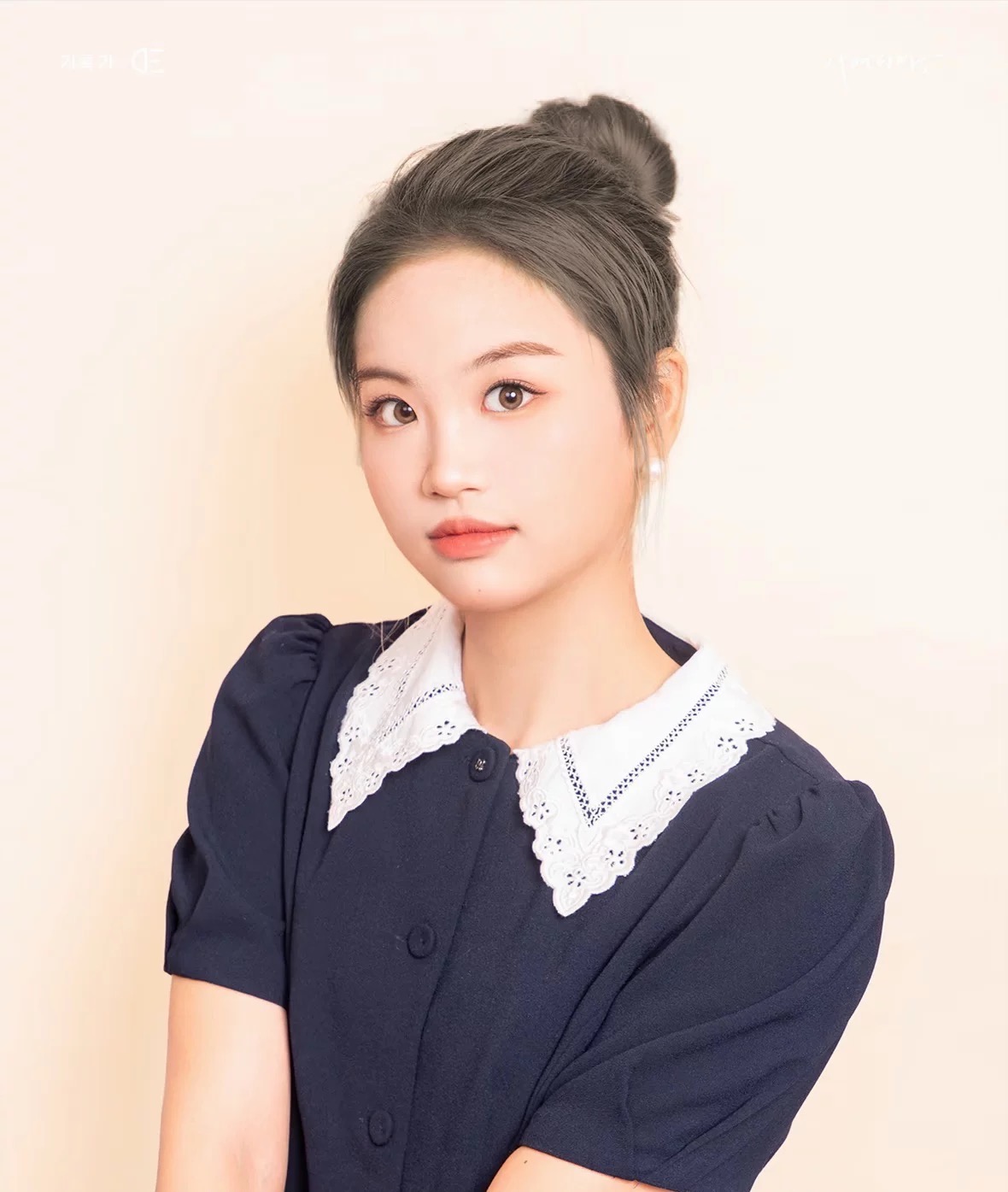
PhD Candidate
✨On the Job Market🔭
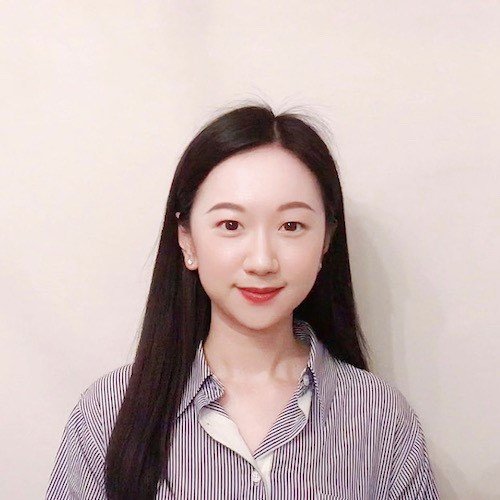
PhD Candidate
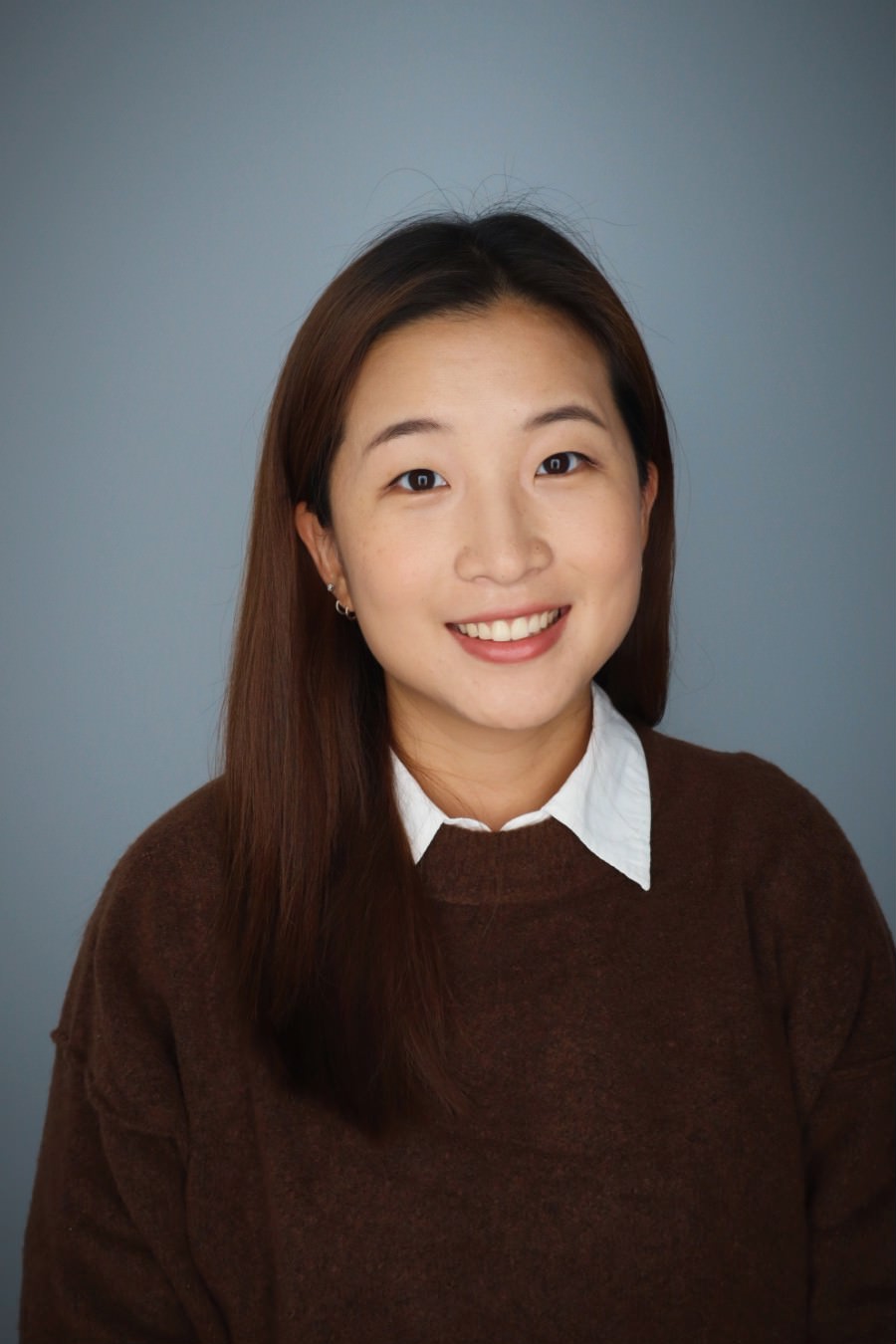
PhD Candidate
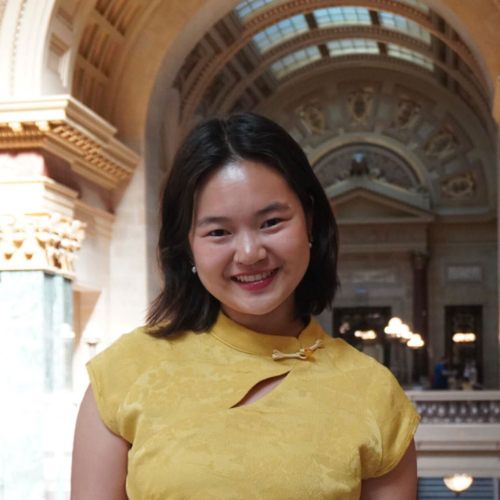
PhD Student
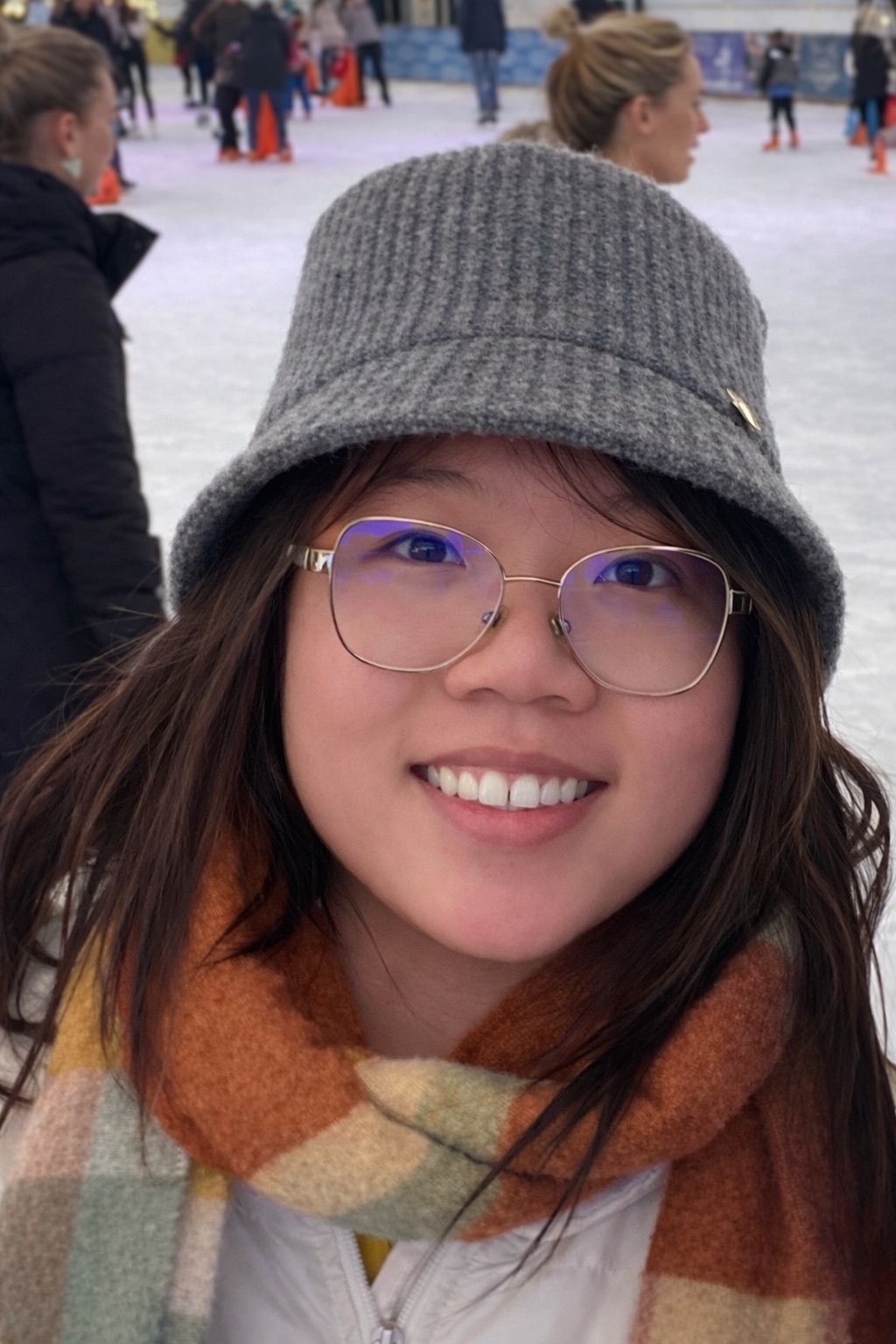
PhD Student
PhD Student
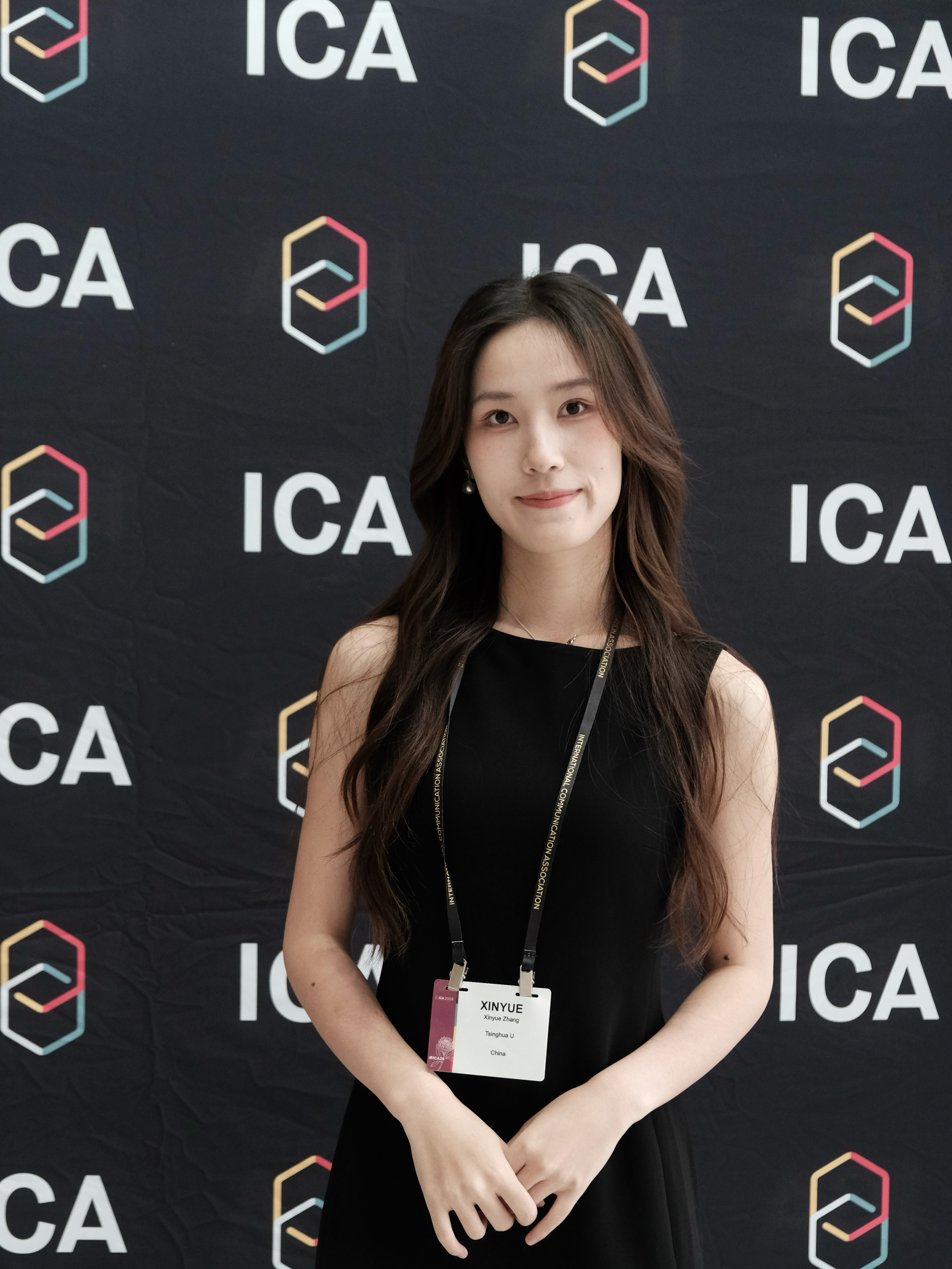
Master Student
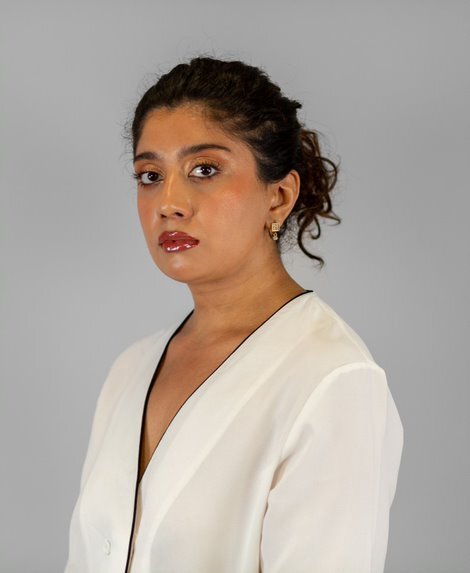
Master Student
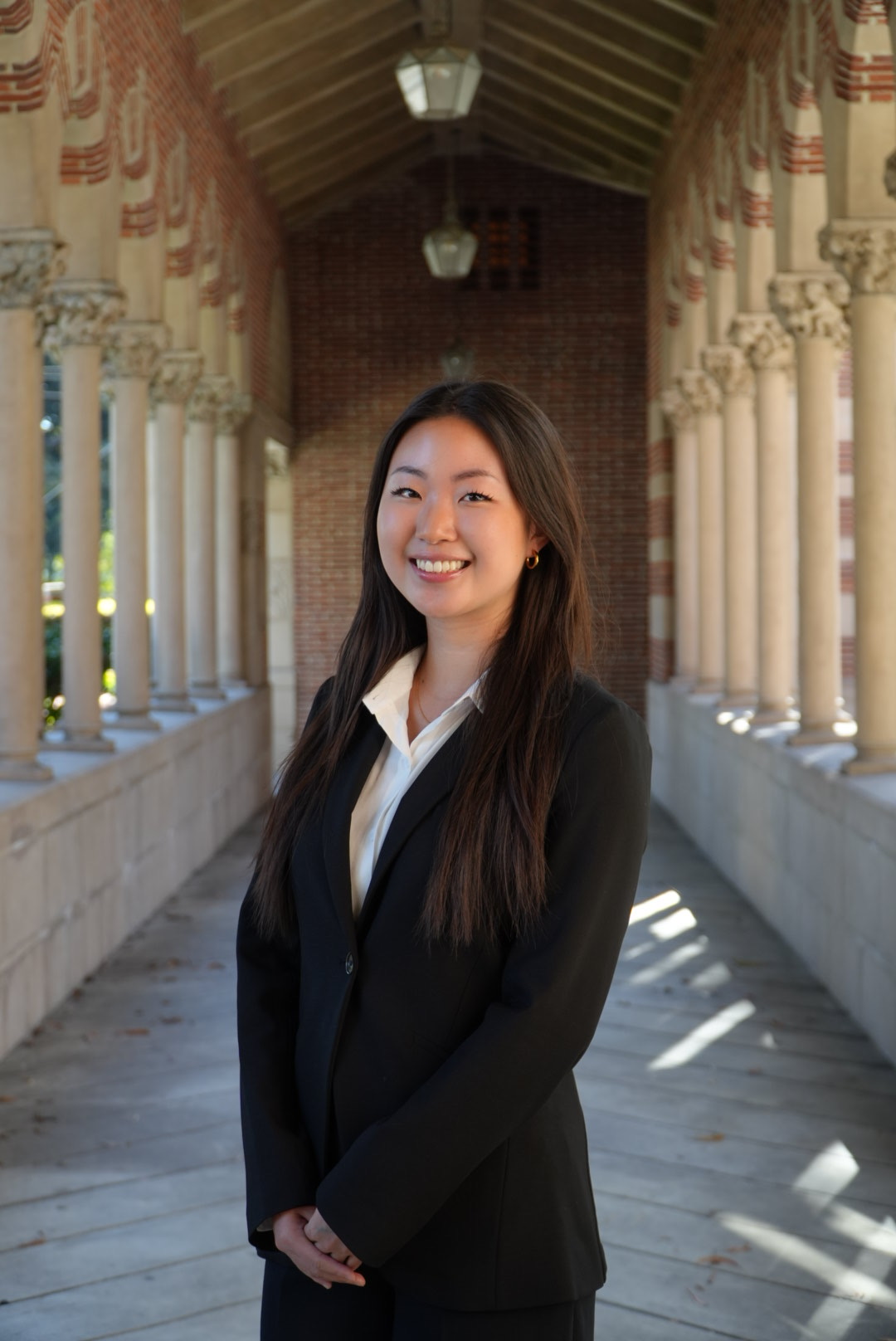
Undergrad Student

Undergrad Student
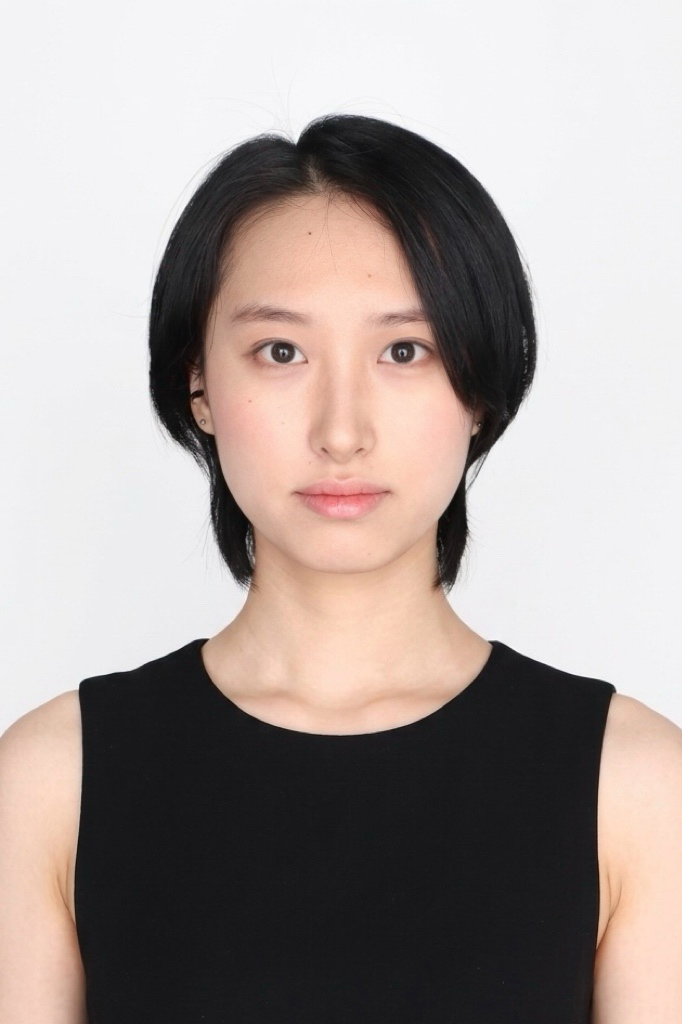
Undergrad Student
08/2026 Two papers accepted at EMNLP! Check out our latest work on human-AI collaboration and AI companionship in vulnerable conversations.
07/2026 Two papers accepted at AIES! Check out our latest work on Sociotechnical Outcome Taxonomies (SOT) and opem model marketplace.
07/2026 We are grateful to receive support from Princeton CITP and Harvard Berkman Klein Center to expand our work on AI's impact on social interaction.
07/2026 We ran our first 2-day workshop with youth of color (YOC) to co-design AI for mental health and wellbeing support 🩵
06/2026 Our reporting toolkit for LLMs in behavioural science is out in Nature Human Behaviour.
06/2026 John successfully defended his dissertation and is now Dr. Bunyi 🎓 We are so inspired by his work (see more here and here) on how people's support systems influence their decisions to adopt digital mental health technologies!
06/2026 We received Top Methodology Paper Award at ICA 2026 🏆
04/2026 We received Best Paper Honorable Mentions (top 5%) at CHI 2026 🏆 Check out our latest work on digital companionship, disclosure of AI use in freelance work , and a responsible design framework for AI-mediated mental health and wellbeing support.
02/2026 CounselBench is accepted at ICLR for 🌟Oral Presentation🌟 (top 1-5% of all submissions) 🏆 Shout-out to Yahan Li as the student lead of this project!
02/2026 Thrilled to receive a grant from the OORI Research Catalyst Program to support our work on democratizing LLM for algorithmic decision-making! Tripple congrats to collaborators, Phebe Vayanos, Jieyu Zhao, and Peter Phung!
01/2026 So honored to receive Best Paper Award at ICA this year! Shout-out to Chang Wan as student lead of the paper 🏆
10/2025 Honored to receive Google's Academic Research Award!! Along with Munmun De Choudhury's team, we will work on idnetifying criticial cues that signals harmful interactions between users and AI companions and needs for human interventions.
Minh Duc Chu, Yifan Wu, Zhiyi Chen, Angel Hsing-Chi Hwang, Luca Luceri
Robert Morabito, Tyler McDonald, Charitra Viswanath, Angel Hsing-Chi Hwang, Susanne Gaube, Jad Kabbara, Ali Emami
Chang Wan, Angel Hsing-Chi Hwang
John Bunyi, Shinyi Wu, Angel Hsing-Chi Hwang, Hans Oh